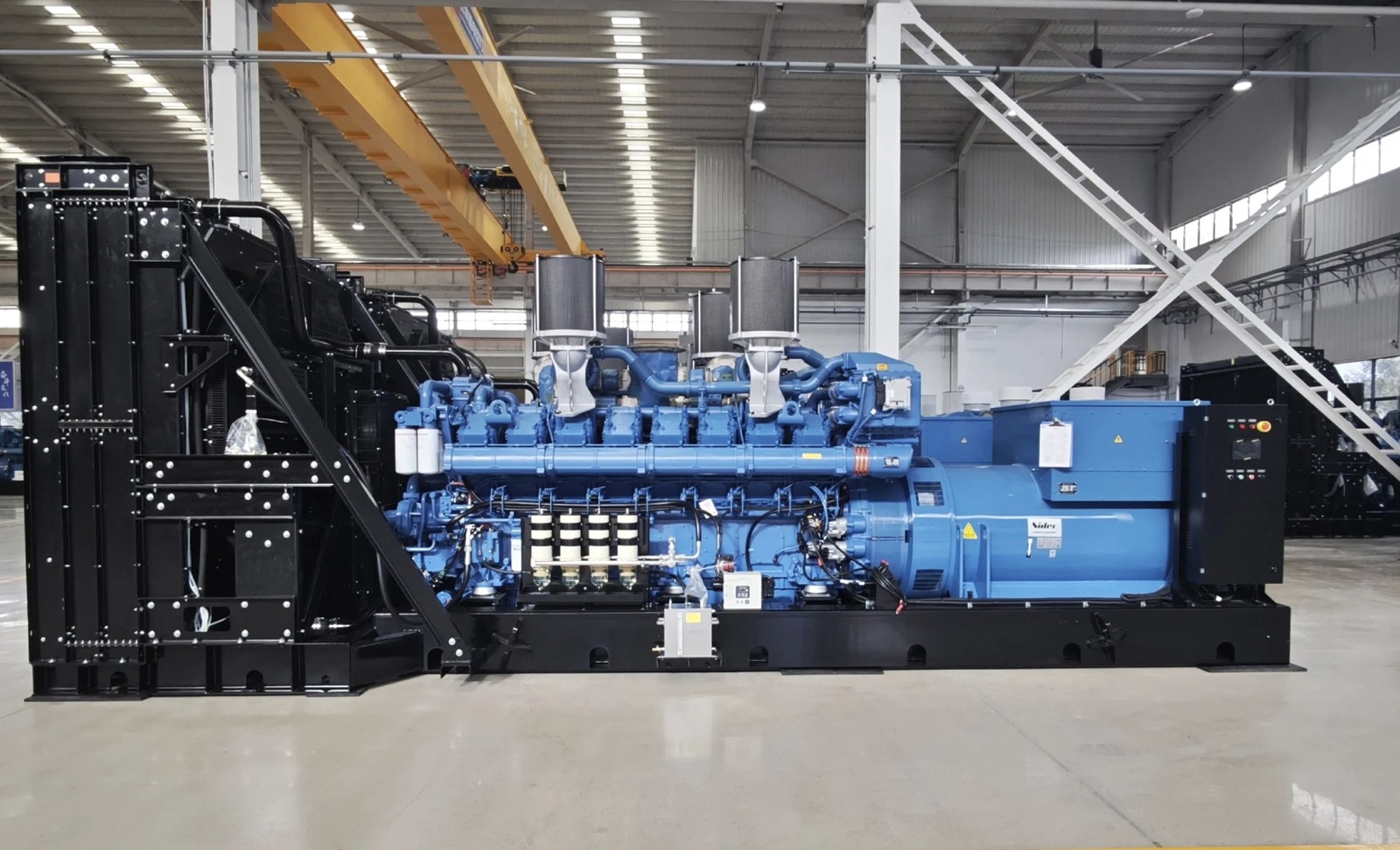
One of the most common mistakes when buying a generator is choosing the wrong size. Too small, and it will trip breakers or fail to start motors. Too large, and you waste thousands of dollars on unnecessary capacity — plus higher fuel consumption.
This guide provides a step-by-step sizing method you can follow with just a calculator and a list of your appliances.
1. Understanding the Two Types of Power
Every device has two power requirements:
- Running (Rated) Watts: The continuous power a device needs to operate normally.
- Starting (Surge) Watts: The extra power needed to start devices with motors. Motors require 2-3 times their running watts for a fraction of a second to start.
Key rule: Your generator must handle the total running watts of all devices running simultaneously plus the largest single starting surge.
2. How to Calculate Your Power Requirements
Step 1: List Every Device You Want to Power
Be honest about what you actually need during an outage. Focus on essentials:
- Lights
- Refrigerator/freezer
- Water pump
- Heating/cooling system fan
- Computer and internet equipment
- Phone chargers
- TV and entertainment
- Microwave or small cooking appliances
Step 2: Find Running Watts
Check the nameplate on each device. Look for "Watts" or "W". If only Amps (A) and Volts (V) are listed, use the formula:
Watts = Volts × Amps
Step 3: Find Starting Watts
For devices with motors, starting watts are typically 2-3× running watts. The nameplate may list "Starting Watts" or "LRA" (Locked Rotor Amps).
Step 4: Add Running Watts
Sum the running watts of all devices you plan to run simultaneously.
Step 5: Add the Largest Starting Surge
Add the starting watts of the device with the largest surge to your total running watts.
Step 6: Add a Safety Margin
Add 20-25% to your calculated total to avoid running the generator at full capacity continuously.
3. Common Appliance Power Reference Table
| Appliance | Running Watts | Starting Watts |
|---|---|---|
| Refrigerator (modern) | 150-200W | 600-800W |
| Freezer | 200-300W | 800-1,200W |
| Water Pump (1/2 HP) | 373W | 1,500W |
| Sump Pump (1/3 HP) | 250W | 1,000W |
| Furnace Fan (1/2 HP) | 373W | 1,500W |
| Window AC (1 ton) | 1,200W | 3,600W |
| Central AC (3 ton) | 3,600W | 10,800W |
| LED Lighting (10 bulbs) | 100W | 100W |
| TV (55-inch LED) | 100-150W | 100-150W |
| Microwave | 1,000-1,500W | 1,000-1,500W |
| Desktop Computer | 200-400W | 200-400W |
| Laptop | 50-100W | 50-100W |
| Wi-Fi Router | 10-20W | 10-20W |
| Electric Water Heater | 3,000-4,500W | 3,000-4,500W |
4. Diesel Generator Sizing Examples
Example 1: Small Home Backup
Devices: Lights (100W), Refrigerator (200W running, 800W starting), TV (150W), Laptop (75W), Wi-Fi (15W), Phone chargers (20W)
- Total Running Watts: 100 + 200 + 150 + 75 + 15 + 20 = 560W
- Largest Starting Surge: 800W (refrigerator)
- Peak Requirement: 560 + 800 = 1,360W
- With 25% Margin: 1,360 × 1.25 = 1,700W → ~2kW generator
Example 2: Whole Home Backup (Mid-size Home)
Devices: Lights (200W), Refrigerator (200W/800W), Water Pump (373W/1,500W), Furnace Fan (373W/1,500W), TV (150W), Microwave (1,200W), Computer (250W), Wi-Fi (15W)
- Total Running Watts: 200 + 200 + 373 + 373 + 150 + 1,200 + 250 + 15 = 2,761W
- Largest Starting Surge: 1,500W (pump or furnace fan)
- Peak Requirement: 2,761 + 1,500 = 4,261W
- With 25% Margin: 4,261 × 1.25 = 5,326W → ~6kW generator
Example 3: Full Home with Central AC
Devices: All of the above + Central AC (3.6kW running, 10.8kW starting)
- Total Running Watts: 2,761 + 3,600 = 6,361W
- Largest Starting Surge: 10,800W (central AC)
- Peak Requirement: 6,361 + 10,800 = 17,161W
- With 25% Margin: 17,161 × 1.25 = 21,451W → ~22kW generator
5. Generator Size Recommendations by Application
- 1-3kW: Emergency essentials only (lights, refrigerator, phone chargers)
- 3-6kW: Small home backup (lights, refrigerator, water pump, furnace fan)
- 6-12kW: Medium home backup (all of the above + microwave, TV, computers)
- 12-20kW: Large home backup (can power central AC in moderate climates)
- 20kW+: Full whole-home backup (central AC, electric stove, all appliances)
Sizing Method
Start with the running load, then identify starting characteristics and the largest step load. Compare the resulting requirement with the generator rating under the expected site conditions. Avoid selecting a unit only by adding nameplate kW values without checking starting demand.
What to Confirm Before Ordering
- List continuous loads and identify motors, pumps, compressors, welders, or other equipment with high starting current.
- Confirm rated and standby/maximum output figures and keep an appropriate operating margin instead of running continuously at the limit.
- Specify voltage, frequency, single-phase or three-phase output, and any required automatic transfer or remote-start functions.
- Consider fuel availability, expected daily runtime, tank size, refueling access, ambient temperature, altitude, and ventilation.
- For mobile or residential use, check enclosure, noise, wheel/transport requirements, weather protection, and safe exhaust routing.
For a quotation request: For an industrial quotation, provide the load list, target voltage/frequency, expected runtime, application, destination country, and required quantity. Those details make it easier to compare generator configurations on a like-for-like basis.
Need help matching equipment to a specific application? Provide the operating conditions, required quantity, destination, and key technical requirements when requesting a quotation.
❓ Frequently Asked Questions
A: Yes. Many homeowners size their generator for essential loads only and manage usage by not running high-wattage appliances simultaneously.
A: The circuit breaker will trip, or the generator will shut down to protect itself. Repeated overloads can damage the generator and connected appliances.
A: No. Generator capacity is fixed. If you expect to add more appliances in the future, buy a larger generator now.
💬 Not sure what size generator you need?
Ask Our Experts →