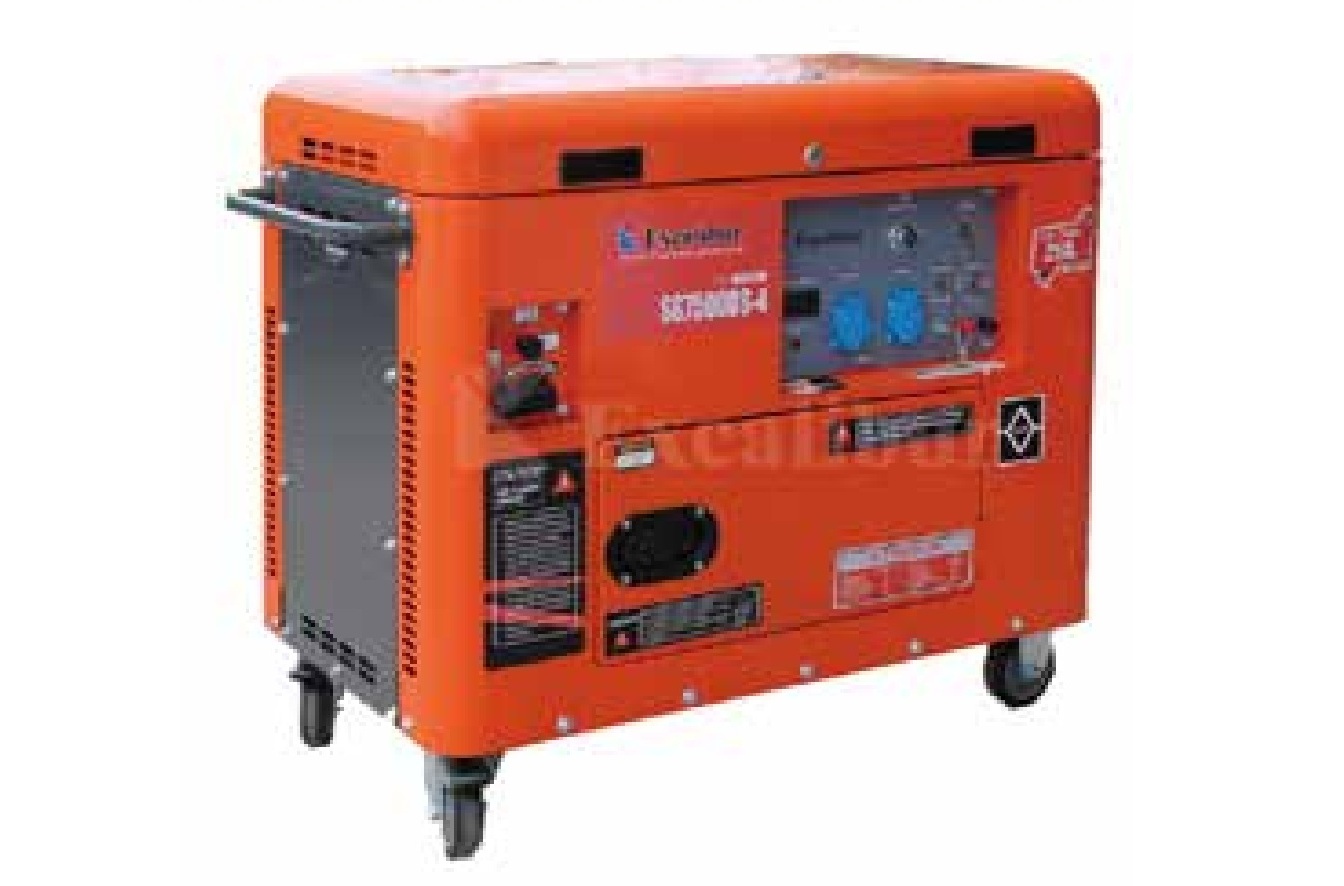
Power outages are becoming more frequent and longer in many regions. A diesel generator for home backup ensures your lights stay on, your refrigerator keeps food cold, and your home remains comfortable during storms, grid failures, or unexpected blackouts.
But with so many options available — different power ratings, fuel types, noise levels, and price points — choosing the right generator can feel overwhelming. This guide breaks down everything you need to know.
1. Why Choose Diesel for Home Backup?
Diesel generators offer several advantages over gasoline generators for home use:
- Fuel efficiency: Diesel generators consume 30-50% less fuel than gasoline units of the same output
- Longer lifespan: 10,000-30,000 hours of operation with proper maintenance
- Lower operating costs: Fewer maintenance needs and better fuel economy
- Safer fuel storage: Diesel is less flammable than gasoline
- Better reliability: Fewer electrical components (no spark plugs or carburetors) means less that can go wrong
While diesel generators have a higher upfront cost than gasoline models, they offer better value over the long term — especially if you expect frequent or extended power outages.
2. How Much Power Do You Need?
Determining the right generator size is the most important step. A generator that's too small will be overloaded, and one that's too large wastes fuel and money.
Step 1: List Your Essential Appliances
Start by listing everything you want to power during an outage. Most homes don't need to run everything at once. Focus on essentials:
- Refrigerator and freezer
- Lights (LEDs use very little power)
- Water pump (if you have a well)
- Heating or cooling system (furnace fan or AC)
- Computers and Wi-Fi router
- TV, chargers, and other small electronics
- Microwave or stove
Step 2: Calculate Running Watts vs Starting Watts
Every appliance has two power ratings:
- Running (Rated) Watts: The continuous power needed to keep it running
- Starting (Surge) Watts: The extra power needed to start motors (2-3 times running watts)
| Appliance | Running Watts | Starting Watts |
|---|---|---|
| Refrigerator | 150-200W | 600-800W |
| Water Pump (1/2 HP) | 373W | 1,500W |
| Furnace Fan (1/2 HP) | 373W | 1,500W |
| LED Lights (10 bulbs) | 100W | 100W |
| TV | 100-200W | 100-200W |
| Microwave | 1,000W | 1,000W |
| Computer + Monitor | 150-300W | 150-300W |
| Window AC (1 ton) | 1,200W | 3,600W |
Step 3: Generator Size Recommendations
- 3-5kW: Essential loads only (lights, refrigerator, small electronics, phone chargers). Suitable for short outages.
- 6-8kW: Essential loads + water pump or furnace fan. Good for medium-sized homes.
- 10-12kW: Essential loads + one or two large appliances. Can power a whole home in moderate climates.
- 15-20kW: Whole home backup. Can run central AC, electric stove, and all appliances simultaneously.
GTFI recommendation: For most homes, a 6-10kW diesel generator provides the best balance of cost and capability.
3. Portable vs Standby — Which Is Right for You?
- Portable generators: Lower cost, manual start, need to be wheeled out during outages. Best for occasional use and small homes. GTFI offers portable diesel generators in the 1.8-10kW range.
- Standby generators: Higher cost, automatic start, permanently installed. Best for frequent outages and large homes. GTFI offers standby generators from 15kW upward.
If you live in an area with frequent or long outages, a standby generator is worth the investment. If outages are rare, a portable unit will serve you well.
4. Silent vs Open Frame — Noise Matters
For home use, noise is a major consideration. Your neighbors will appreciate a quiet generator.
- Open Frame: 77-85dB — Best for detached homes with ample space
- Silent (Enclosed): 65-72dB — Best for residential areas, close to neighbors
GTFI's silent diesel generators reduce noise to as low as 65dB — quieter than a dishwasher. If you live in a suburban or urban area, choose a silent model.
5. Installation and Safety Considerations
- Always operate outdoors: Diesel generators produce carbon monoxide, which is lethal in enclosed spaces. Never run a generator inside a garage, basement, or home.
- Use a transfer switch: A transfer switch safely connects your generator to your home's electrical panel, preventing back-feed that can harm utility workers.
- Placement: Install on a level, stable surface, protected from rain and snow. Allow at least 1m clearance for airflow.
- Fuel storage: Store diesel fuel in approved containers, away from heat sources. Diesel can be stored for 6-12 months with stabilizers.
6. Total Cost of Ownership — What to Budget For
When comparing generators, look beyond the purchase price:
- Purchase price: Diesel generators cost 20-40% more than gasoline units
- Installation: Standby units require professional installation ($500-2,000)
- Fuel costs: Diesel is more efficient, so operating costs are lower
- Maintenance: Diesel units require less frequent service but have higher per-service costs
- Lifespan: Diesel units last 3-5 times longer than gasoline units
Over 5-10 years of use, a diesel generator is almost always cheaper to own than a gasoline model.
Practical Selection Checklist
Before requesting a quotation, define the actual electrical load and the operating environment rather than selecting a generator only by its headline kW rating. The best choice balances starting current, continuous load, fuel type, runtime, noise, mobility, service access, and local power requirements.
What to Confirm Before Ordering
- List continuous loads and identify motors, pumps, compressors, welders, or other equipment with high starting current.
- Confirm rated and standby/maximum output figures and keep an appropriate operating margin instead of running continuously at the limit.
- Specify voltage, frequency, single-phase or three-phase output, and any required automatic transfer or remote-start functions.
- Consider fuel availability, expected daily runtime, tank size, refueling access, ambient temperature, altitude, and ventilation.
- For mobile or residential use, check enclosure, noise, wheel/transport requirements, weather protection, and safe exhaust routing.
For a quotation request: For an industrial quotation, provide the load list, target voltage/frequency, expected runtime, application, destination country, and required quantity. Those details make it easier to compare generator configurations on a like-for-like basis.
Need help matching equipment to a specific application? Provide the operating conditions, required quantity, destination, and key technical requirements when requesting a quotation.
❓ Frequently Asked Questions
A: Diesel generators can run 24/7 as long as fuel and oil are maintained. With regular refueling and oil checks, continuous operation is safe.
A: A 7kW diesel generator at 50% load uses approximately 1.5-2.0 liters per hour. A 20L tank can provide 10-12 hours of backup power.
A: Portable units can be set up by homeowners. Standby units require professional installation, including electrical and exhaust connections, to ensure safety and code compliance.
💬 Need help selecting the right generator for your home?
Talk to Our Experts →