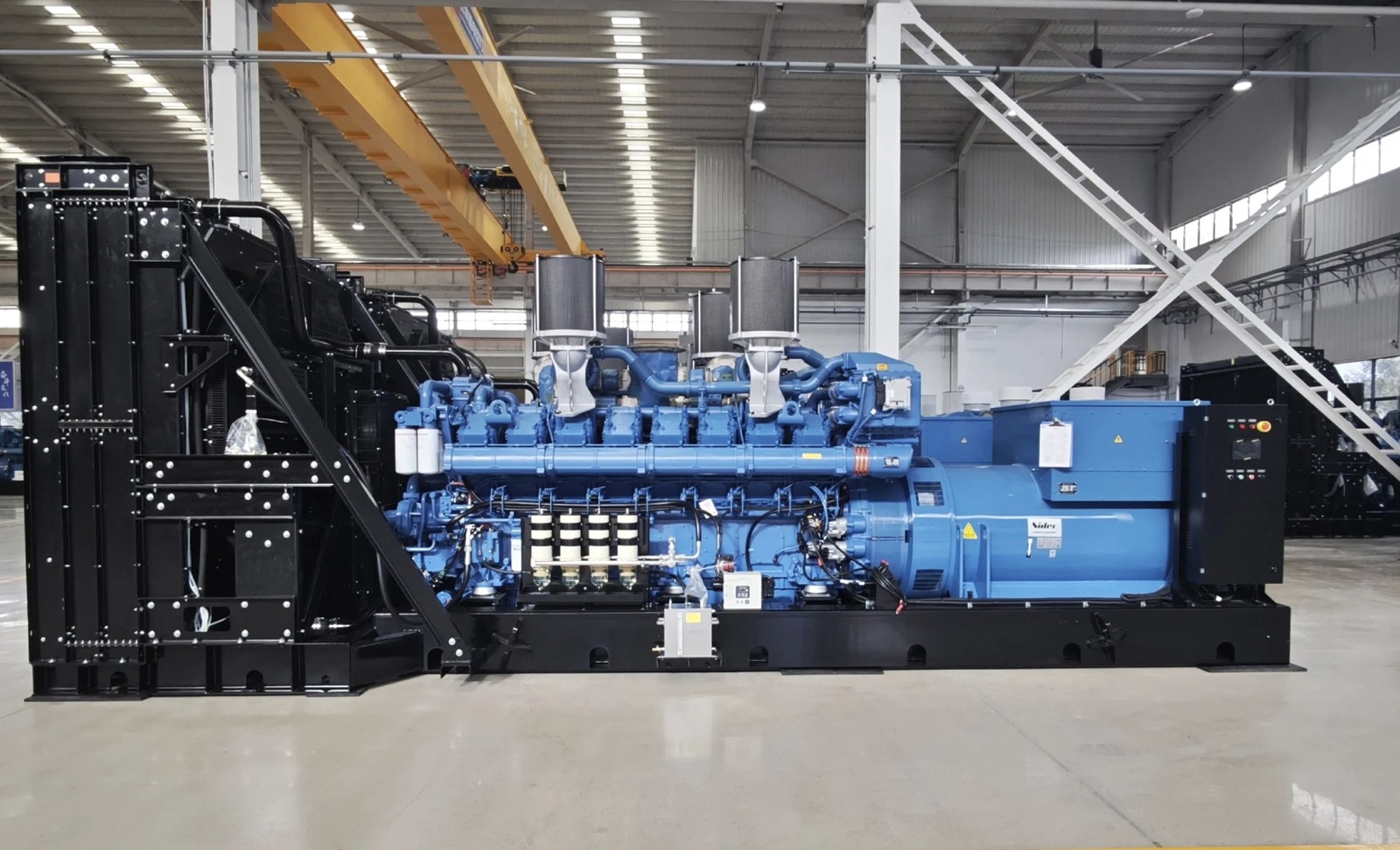
One of the most common decisions when buying a generator is whether to choose open frame or silent (enclosed). Both have their strengths and weaknesses.
1. Open Frame Generators
Pros
- Lower cost: 20-40% less expensive than silent models
- Easy maintenance: All components are accessible without removing panels
- Better cooling: Open design allows maximum airflow
- Lighter weight: Easier to move and transport
Cons
- Loud: 77-85dB noise level
- Weather exposure: Not weatherproof — requires protection from rain and dust
- Security: Easier to tamper with or steal
2. Silent (Enclosed) Generators
Pros
- Quiet operation: 65-72dB noise level
- Weatherproof: Protects components from rain, dust, and debris
- Secure: Lockable enclosure prevents tampering
- Aesthetic: Neater appearance for residential areas
Cons
- Higher cost: 20-40% more expensive
- More difficult maintenance: Panels must be removed for access
- Heavier: Harder to move
- Heat retention: Enclosure traps heat, requiring adequate ventilation
3. Comparison Table
| Feature | Open Frame | Silent (Enclosed) |
|---|---|---|
| Noise Level | 77-85 dB | 65-72 dB |
| Price | $ (Lower) | $$ (20-40% higher) |
| Maintenance Access | Easy | Requires panel removal |
| Weather Protection | None (needs cover) | Built-in protection |
| Security | Lower | Higher (lockable) |
| Weight | Lighter | Heavier |
| Best For | Construction, farms, industrial | Residential, hospitals, hotels |
4. Which One Should You Choose?
- Choose Open Frame if: You are on a budget, noise is not a concern, and the generator will be used outdoors (construction, farms, industrial).
- Choose Silent if: You need quiet operation (residential, hospitals, hotels), weather protection is important, and budget allows.
Practical Selection Checklist
Before requesting a quotation, define the actual electrical load and the operating environment rather than selecting a generator only by its headline kW rating. The best choice balances starting current, continuous load, fuel type, runtime, noise, mobility, service access, and local power requirements.
What to Confirm Before Ordering
- List continuous loads and identify motors, pumps, compressors, welders, or other equipment with high starting current.
- Confirm rated and standby/maximum output figures and keep an appropriate operating margin instead of running continuously at the limit.
- Specify voltage, frequency, single-phase or three-phase output, and any required automatic transfer or remote-start functions.
- Consider fuel availability, expected daily runtime, tank size, refueling access, ambient temperature, altitude, and ventilation.
- For mobile or residential use, check enclosure, noise, wheel/transport requirements, weather protection, and safe exhaust routing.
For a quotation request: For an industrial quotation, provide the load list, target voltage/frequency, expected runtime, application, destination country, and required quantity. Those details make it easier to compare generator configurations on a like-for-like basis.
Need help matching equipment to a specific application? Provide the operating conditions, required quantity, destination, and key technical requirements when requesting a quotation.
❓ Frequently Asked Questions
A: Yes, you can add an acoustic cover or build a soundproof enclosure, but it's often more cost-effective to buy a silent generator.
A: Both are equally reliable. The engine and generator components are identical — only the enclosure differs.
A: Yes, silent generators are weatherproof and designed for outdoor use.
💬 Not sure which type is right for you?
Talk to Our Experts →