Choosing the right welding machine can be overwhelming with so many technologies available. This guide breaks down each type – Inverter DC, TIG, MIG/MAG, Plasma, Laser, and Self-Powered – to help you select the best machine for your application, material, and budget.
1. Welding Technology Comparison
| Technology | Materials | Thickness | Speed | Cost | Skill Level |
|---|---|---|---|---|---|
| Inverter DC (MMA) | Steel, Stainless, Copper | 2–30mm | Medium | $ | Beginner |
| TIG (WS Series) | Steel, Stainless, Aluminium | 0.5–8mm | Slow | $$ | Advanced |
| Pulsed TIG (WSM Series) | Aluminium, Magnesium, Titanium | 0.5–10mm | Medium | $$$ | Advanced |
| MIG/MAG (NB Series) | Steel, Stainless, Aluminium | 0.8–12mm | Fast | $$ | Intermediate |
| Plasma (LGK Series) | All conductive metals | Up to 80mm | Fast | $$ | Intermediate |
| Laser (TS Series) | Steel, Stainless, Aluminium | 0.5–6mm | Very Fast | $$$$ | Intermediate |
| Submerged Arc (TM Series) | Steel, Stainless | 10–100mm+ | Fast | $$$ | Advanced |
| Self-Powered | Steel (field work) | 2–20mm | Medium | $$ | Intermediate |
2. Inverter DC (MMA) – The All-Rounder
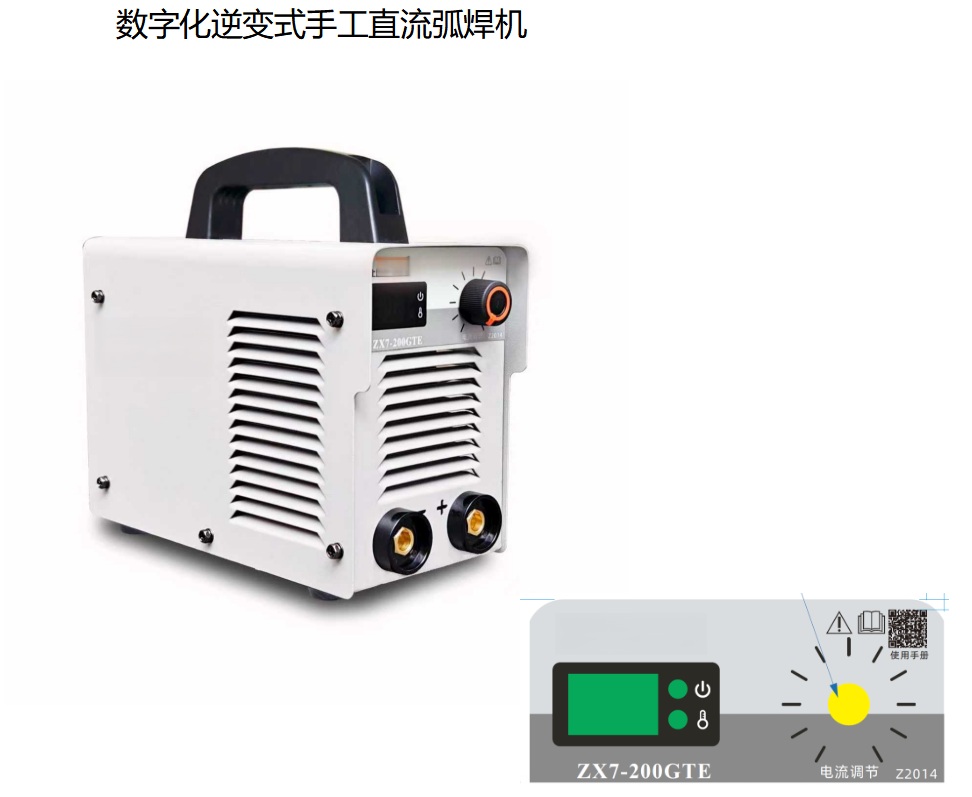
Inverter DC welders (also called manual metal arc or stick welders) are the most common and versatile. They use IGBT technology to convert AC to DC power, providing a stable arc with features like anti-stick, hot start, and arc force control.
GTFI Inverter DC Models:
- ZX7-200GTE: 220V, 20–200A – Beginner-friendly with anti-stick
- ZX7-280GTS: 220/380V dual-voltage, 20–280A
- ZX7-400GTI: 110–540V full-phase, worldwide voltage compatibility
- ZX7-500T: 380V, 20–500A – Heavy-duty with three-proof coating
- ZX7-630T: 380V, 20–630A – Carbon arc gouging capable (8mm rods)
- BX1-500-2: 380V AC, 50–500A – 100% oxygen-free copper transformer
Best for: General fabrication, steel structures, repair work, carbon steel, stainless steel, copper, and alloys. Suitable for outdoor use and windy conditions.
3. TIG Welding – Precision and Quality
Tungsten Inert Gas (TIG) welding produces the highest quality welds with excellent control. It uses a non-consumable tungsten electrode and an inert gas shield (argon).
GTFI TIG Models:
- WS-200GTE: 220V, 5–200A – High ignition success, stable arc
- WS-250GTE: 220V, 5–250A – For precision welding of thin materials
- WS-300GTS: 220/380V dual-voltage, 5–300A – With MMA function
Pulsed TIG (WSM Series): For aluminium, magnesium, and titanium. Pulse frequency up to 2000Hz.
- WSM-250GTE: 220V, 5–250A – Pulse/DC/MMA
- WSM-400T: 380V, 5–400A – Pulse 2000Hz, CNC interface
- WSME-250V: 220V, 5–250A – AC/DC pulse, 6-in-1
Best for: Piping, pressure vessels, aerospace, stainless steel fabrication, aluminium welding, precision work.
4. MIG/MAG – High Production Speed
MIG (Metal Inert Gas) and MAG (Metal Active Gas) welding use a continuously fed wire electrode and shielding gas. This is the fastest manual welding process.
GTFI MIG/MAG Models:
- NB-250V: 220V, 30–250A – 1/5kg flux-cored wire
- NB-315V: 220/380V, 30–315A – 5/20kg flux/solid wire
- NB-280YT: 380V, 30–280A – Vector acceleration, fast tack
- NB-350: 380V, 30–350A – Dual IGBT, expert parameters
- NB-500: 380V, 30–500A – Heavy-duty production
- NB-500T: 380V, 30–500A – Soft-switching, three-proof coating
- TR-630: 380V, 30–630A – 100% duty cycle, heavy-duty
Best for: Production welding, shipbuilding, automotive, structural steel, thin to medium plate.
5. Plasma Cutting – Clean, Fast, Accurate
Plasma cutters use an ionized gas arc to cut through conductive metals. They produce clean cuts with minimal slag.
GTFI Plasma Models:
- LGK-80GTS: 220/380V dual-voltage, quality cut 30mm – Built-in air
- LGK-100T: 380V, quality cut 30mm – Dual IGBT
- LGK-120T: 380V, quality cut 35mm – Dual IGBT
- LGK-160B: 380V, quality cut 40mm – Heavy-duty, oil-water separator
- TL-160: 380V, max cut 80mm – Medium-thick plate specialist
Best for: Steel fabrication, demolition, maintenance, cutting thick plates, stainless steel, aluminium.
6. Handheld Laser Welding – Speed and Precision
Handheld laser welders offer high-speed welding with minimal distortion and no post-weld cleaning. They are ideal for thin sheets and stainless steel.
GTFI Laser Models:
- TS-1500: 1500W, CW/Pulse – 7" touch screen, handheld/robot
- TS-2000: 2000W, CW/Pulse – For thicker materials
- TS-3000: 3000W, CW/Pulse – Dual wire feed, medium plate
- TS-2000CX / TS-3000CX: Laser rust cleaning versions
Best for: Sheet metal, stainless steel fabrication, automotive components, kitchen equipment, battery tabs, electronics.
7. Self-Powered Welders – For the Field
Self-powered welders combine a generator with a welding machine. They are essential for remote sites where mains power is unavailable.
GTFI Self-Powered Models:
- S6500D(E)W: Diesel open frame, 50–180A, 1.8kW generator
- S8500D(E)W: Diesel open frame, 50–230A, 3.0kW generator
- S6500CXW: Gasoline open frame, 50–180A
- SS6500DSW: Diesel silent, 50–180A, low noise
- S10000D(E)Wi: Diesel inverter, IGBT, 20–300A, 25% energy saving
- S6500DSWi: Silent diesel inverter, 20–180A
Best for: Pipeline construction, field repairs, agriculture, mining, remote infrastructure projects.
Practical Selection Checklist
Welding equipment should be chosen from the material, thickness, joint type, production volume, required finish, and available power supply. A high-current machine is not necessarily the right machine if the process, consumables, or duty cycle do not match the work.
What to Confirm Before Ordering
- Identify the base material, typical thickness range, joint type, and required weld appearance or penetration.
- Choose the process—MMA/inverter, TIG, MIG/MAG, plasma, or laser—according to productivity, precision, portability, and operator skill.
- Check rated current, duty cycle, input voltage, phase, frequency, and generator compatibility for the actual work environment.
- For production applications, consider wire or electrode consumption, cooling, torch length, gas requirements, controls, and serviceability.
- Confirm safety features, consumable availability, replacement parts, certifications, and local electrical requirements before purchase.
For a quotation request: For quotation requests, specify material, thickness, welding process, power supply, duty cycle, application, and quantity. Sample photos or a description of the joint can help suppliers recommend the correct configuration.
Need help matching equipment to a specific application? Provide the operating conditions, required quantity, destination, and key technical requirements when requesting a quotation.
❓ Frequently Asked Questions
A: TIG offers higher precision and better appearance but is slower. MIG is faster and better for production. Choose based on your priority: quality vs. speed.
A: Yes, plasma cutters cut all conductive metals including steel, stainless, aluminium, copper, and brass.
A: For high-volume thin sheet production, laser welding pays off through speed, minimal distortion, and no cleaning. For general fabrication, TIG or MIG may be more economical.
💬 Not sure which welding technology fits your needs?
Talk to Our Welding Engineers →