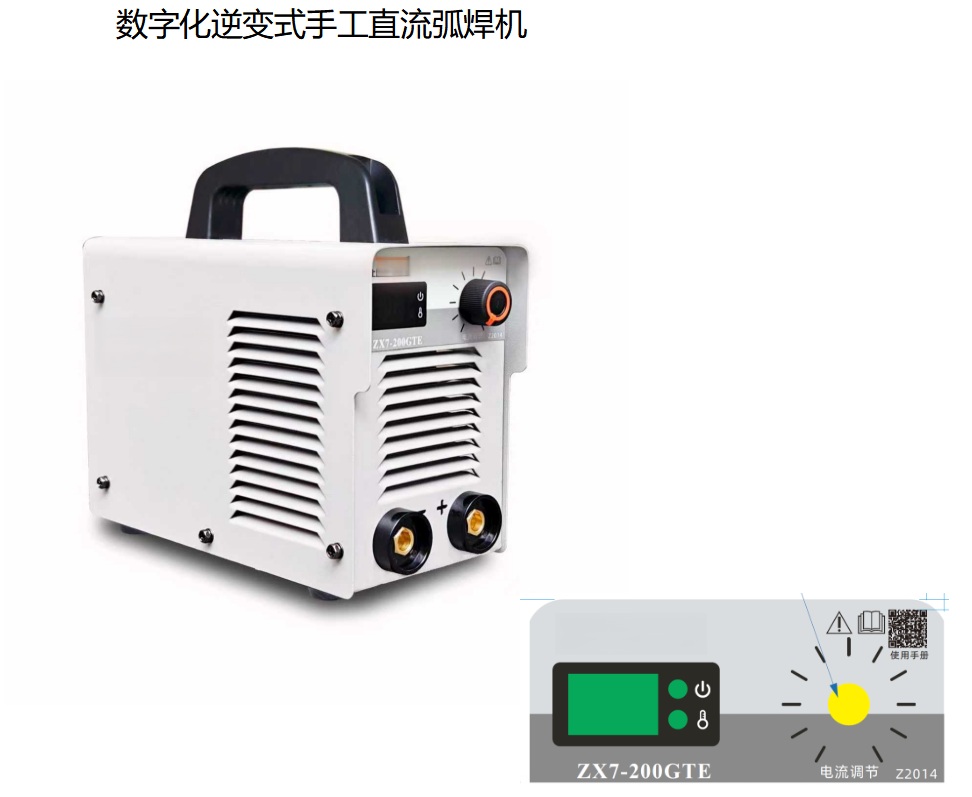
1. Welding Machine Types Overview
- Inverter DC (MMA/Stick): Most versatile, works with most materials. Great for construction, repair, and general fabrication.
- TIG (GTAW): Precision welding for thin materials, stainless steel, and aluminum. Requires higher skill level.
- MIG/MAG (GMAW): High productivity, easy to learn. Ideal for production lines and thick materials.
- Plasma Cutter: For cutting through thick metal sheets. Clean cuts with minimal heat-affected zone.
- Laser Welding: High precision, low heat input. For aerospace, medical, and electronics.
- Self-Powered (Generator + Welder): For remote sites without grid power.
2. How to Choose the Right Welding Process
- Material Type: Steel → MMA/MIG/TIG. Aluminum → TIG/MIG. Stainless → TIG/MIG.
- Material Thickness: Thin (<3mm) → TIG. Medium (3-10mm) → MIG/MMA. Thick (>10mm) → MIG/MMA.
- Application: Repair → MMA. Production → MIG. Precision → TIG.
- Environment: Indoor → TIG/MIG. Outdoor → MMA (wind-resistant). Remote → Self-powered.
3. Key Specifications to Check
- Duty Cycle: The percentage of time the machine can run at full power. 60% duty cycle means 6 minutes of welding in a 10-minute period.
- Amperage Range: Determines the thickness of material you can weld. Higher amperage = thicker material.
- Input Power: 220V (home/small shop) vs 380V (industrial).
- Weight and Portability: Important for site work.
4. GTFI Welding Machine Range
GTFI offers 25+ welding machine models across all major processes. All models feature inverter technology, CE certification, and 1-year warranty.
Practical Selection Checklist
Welding equipment should be chosen from the material, thickness, joint type, production volume, required finish, and available power supply. A high-current machine is not necessarily the right machine if the process, consumables, or duty cycle do not match the work.
What to Confirm Before Ordering
- Identify the base material, typical thickness range, joint type, and required weld appearance or penetration.
- Choose the process—MMA/inverter, TIG, MIG/MAG, plasma, or laser—according to productivity, precision, portability, and operator skill.
- Check rated current, duty cycle, input voltage, phase, frequency, and generator compatibility for the actual work environment.
- For production applications, consider wire or electrode consumption, cooling, torch length, gas requirements, controls, and serviceability.
- Confirm safety features, consumable availability, replacement parts, certifications, and local electrical requirements before purchase.
For a quotation request: For quotation requests, specify material, thickness, welding process, power supply, duty cycle, application, and quantity. Sample photos or a description of the joint can help suppliers recommend the correct configuration.
Need help matching equipment to a specific application? Provide the operating conditions, required quantity, destination, and key technical requirements when requesting a quotation.
❓ Frequently Asked Questions
A: DC welding is smoother and more stable. AC welding is used for aluminum and some specialty applications.
A: 1-year comprehensive warranty.
💬 Need help selecting the right welding machine?
Ask Our Experts →